

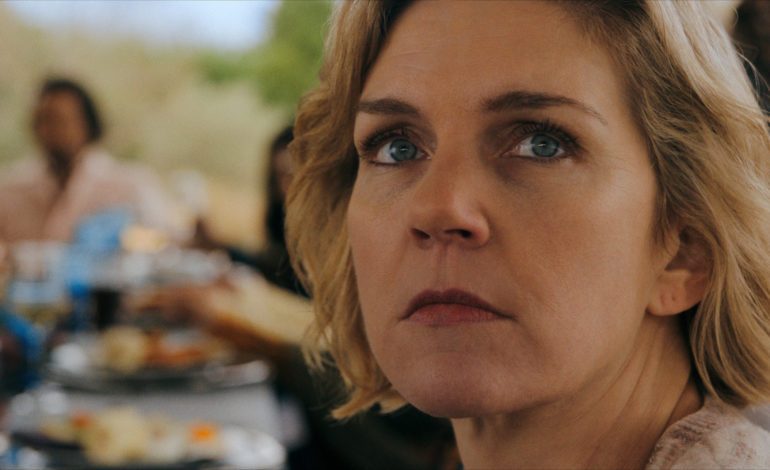
Episode 2 shifts the narrative several days and 11 hours forward, as Carol becomes more acquainted with the “us.” She also meets other humans left behind who have a different perspective on the new world order.
We open far away from Albuquerque, somewhere in western Asia. A woman walking amidst a dystopian wasteland finds an overturned car. Soon, she’s joined by two others in a routine of collecting the deceased. The body joins others in a box truck, which feels eerily similar to how the dead were gathered during the perlious height of the COVID pandemic. This silent opening gives viewers an image of the devastation across the world. We later learn roughly 800 million and counting perished during the spread of the virus.
Back in the States, Carol awakens after a rough evening. She begins burying Helen when the strange woman from the opener appears in her backyard. We receive our first bit of dialogue — a uniquely powerful choice — as the woman offers to assist. While the woman means no harm, Carol is alarmed to learn “they” share the vast knowledge and collective memories of those within the fold, including bits of Helen. Carol has an angry outburst, which causes a group of “them” to malfunction. The woman, whom Carol dubs the Pirate Lady, informs her that there are others like her she needs to meet.
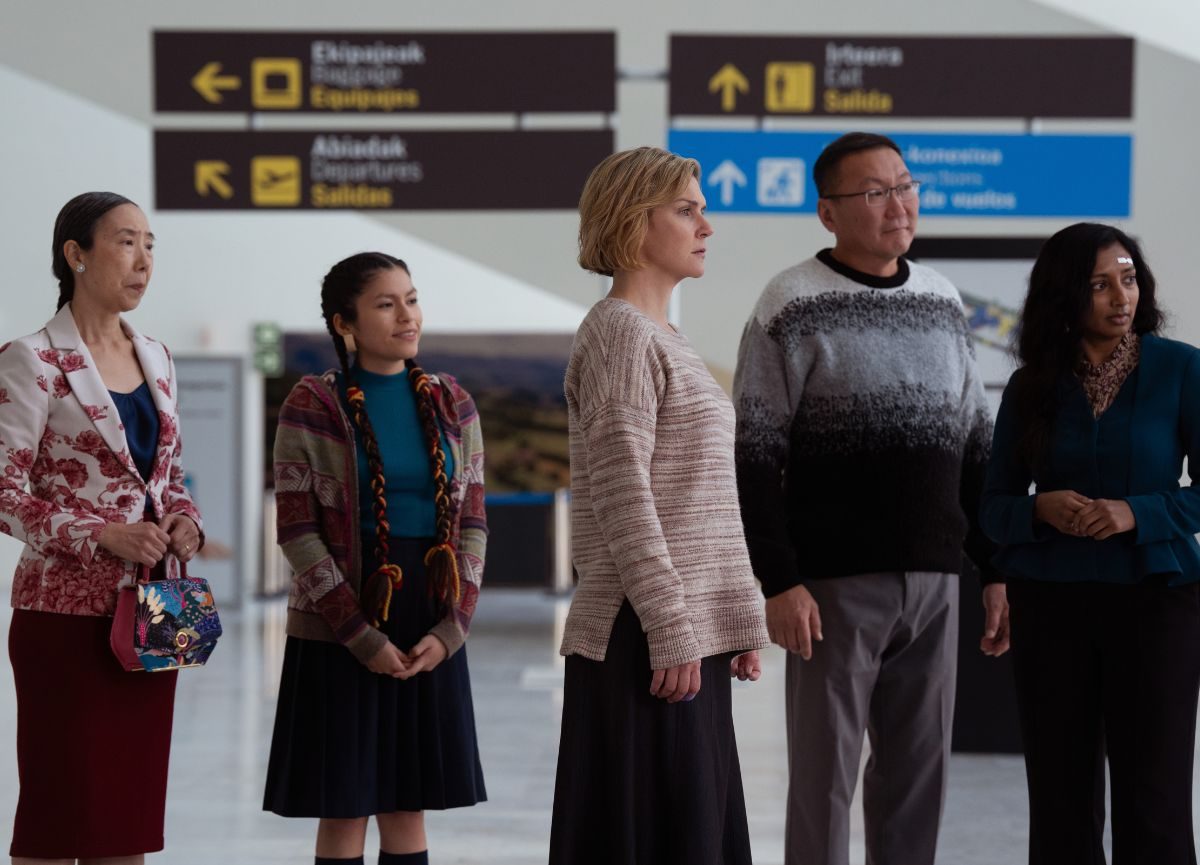
Carol and Pirate Lady travel across the world to meet the five other survivors. All of them have accepted society as it is, with some awaiting the day to join loved ones as part of the collective. Carol remains skeptical and frightened by the thought of this new enslavement, voicing a strategy to return life to normal. However, a particular survivor reminds Carol of the benefits of their situation. There is no crime. No social or racial hierarchy. Animals roam freely. It is peace on Earth. Carol finds this peace disturbing and judges the others for capitulating to the collective’s way of life.
Carol chooses to return home, alone, after seeing the indulgences some of the survivors partake in. However, just as her plane is about to leave the tarmac, she races to stand in front of the other plane before takeoff with a change of heart.
This episode improves on the pilot as Gilligan’s superb writing and directing show what life has become beyond Carol’s reach. The silent opening itself, with its stark similarities to the COVID pandemic, presents a world inundated with loss, but free from human error. The writing is also strong, stringing bits of humor with scenes of actual horror for our protagonist.
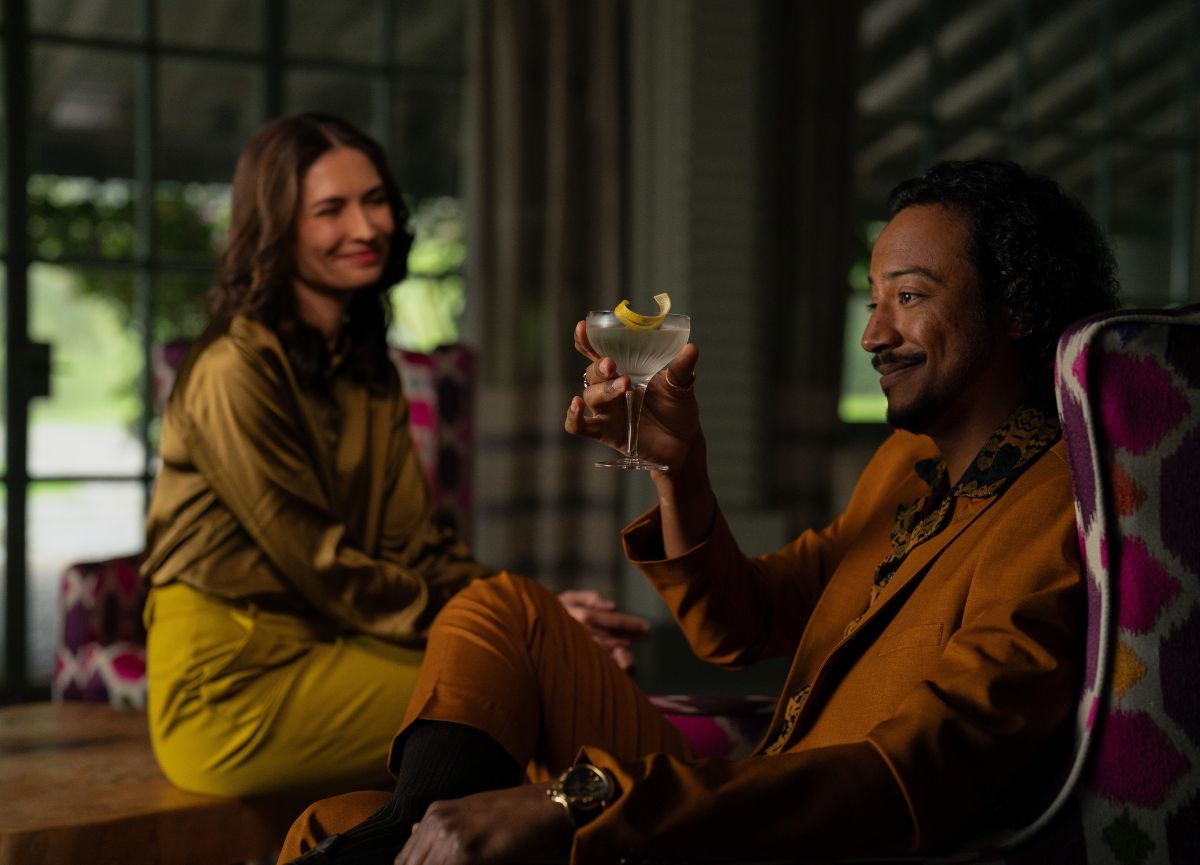
The new supporting cast is endearing, with Karolina Wydra going toe-to-toe with Rhea Seehorn as the collective’s representative. Having her resemble Carol’s original book character speaks to the AI-esque nature of the virus; it’s unauthorized attempts to make life better.
However, the nuance of how this new life is being experienced is quite interesting, with Gilligan playing with race in this scenario. Each of the other survivors is a person of color, whose world experience is very different from Carol’s, who is White and an American. For them, life without white supremacy and class wars is a utopia. And joining the collective could be seen as a “heaven” on Earth, especially if other loved ones are there.
Lastly, the episode also illustrates the need for community — something many feel has been lost in the rise of social media and exacerbated post-lockdown. Carol’s desperate act at the end is a testament to her need for some human connection despite her fears.
Overall, the episode was an excellently paced mix of raw emotion, enlightenment, and clever humor.
Rating: 10/10
