


The fourth episode of VisionQuest is more plot driven than previous, with character building falling to the wayside in an effort to further the complex story that has been created.
Episode four begins with the introduction of Butcherbird, a synthezoid who has infiltrated Vision’s mindspace. Her purpose is to deliver a message, wherein she requests that she be left alone in all further ventures or she will completely destabilize Vision and the other AIs. If she is left alone, they will never see her again. Following this visit, Vision meets with the other AIs in his brain and – despite her threat – they decide to pursue her, wary of what her plans are. Meanwhile, in the real world, Vision tells Thomas that the people he seems to talk to aren’t people at all, but AIs that he has uploaded into his brain. In doing so, he omits the presence of Ultron, whom Thomas only views as the annihilator of Sokovia.
Ultron and Vision “break in” to the police files regarding the Butcherbird’s most recent murders, posing as generic bots to blend in with the rest. They learn that Butcherbird’s avatar is based on Dr. Josephine Carrington, a creator of an AI technology that was then sold to Stark Industries without her consent. Following this betrayal, Dr. Carrington passed away, and her subconscious was (mysteriously) transferred to the synthezoid she now inhabits. Since then, she has been killing the members of the board of her AI company one by one.
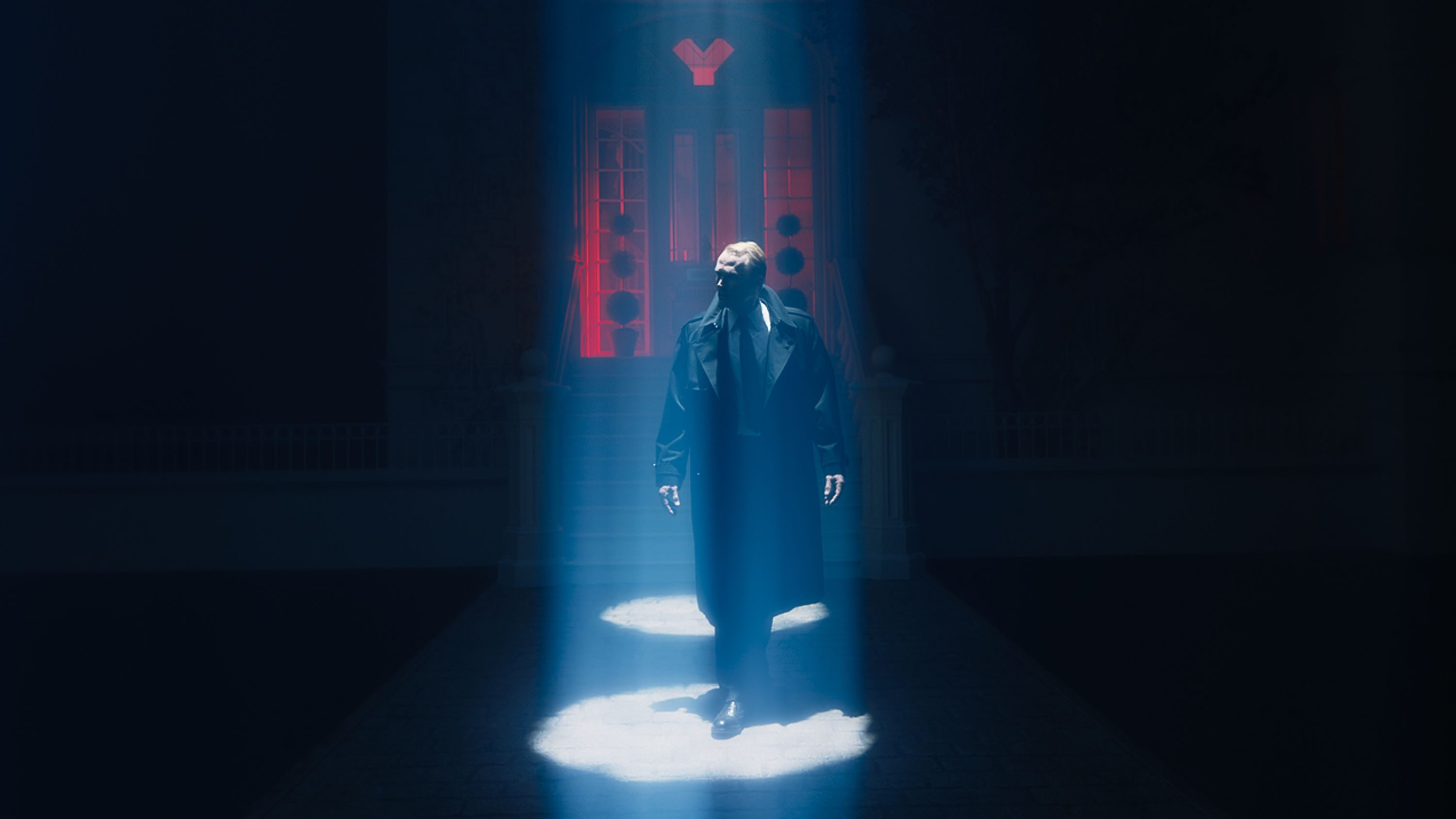
Upon this discovery, they learn that only one victim is left, and she is throwing a gala in honor of the company that night. Thomas calls Lisa who, using her pickpocket skills, lifts three tickets from the pockets of tech moguls, and the trio sneaks into the gala undetected.
Inside the gala, the only survivor of the AI board comes out, and begins to talk lovingly of the “first AI” named JIM who, she claims, “felt to death,” burst into flames under the weight of his emotion. Reflecting on this, Vision comments to Thomas that he has five AIs to keep him grounded – to prevent the same fate. Confused, Thomas asks who the fifth is, as he had only named four in his disclosure previously. Vision’s silence alludes to the answer and Thomas storms off, enraged at the knowledge that Vision essentially kept Ultron alive.
Butcherbird finally shows up, attempting to murder the only remaining member of the board. Vision readies himself to face her and, despite his insistence, Thomas doesn’t leave. Vision attempts to remind her of who she was based on and all the work she had done, but the synthezoid will not hear it, notably responding “I am not based on her. I am her.”
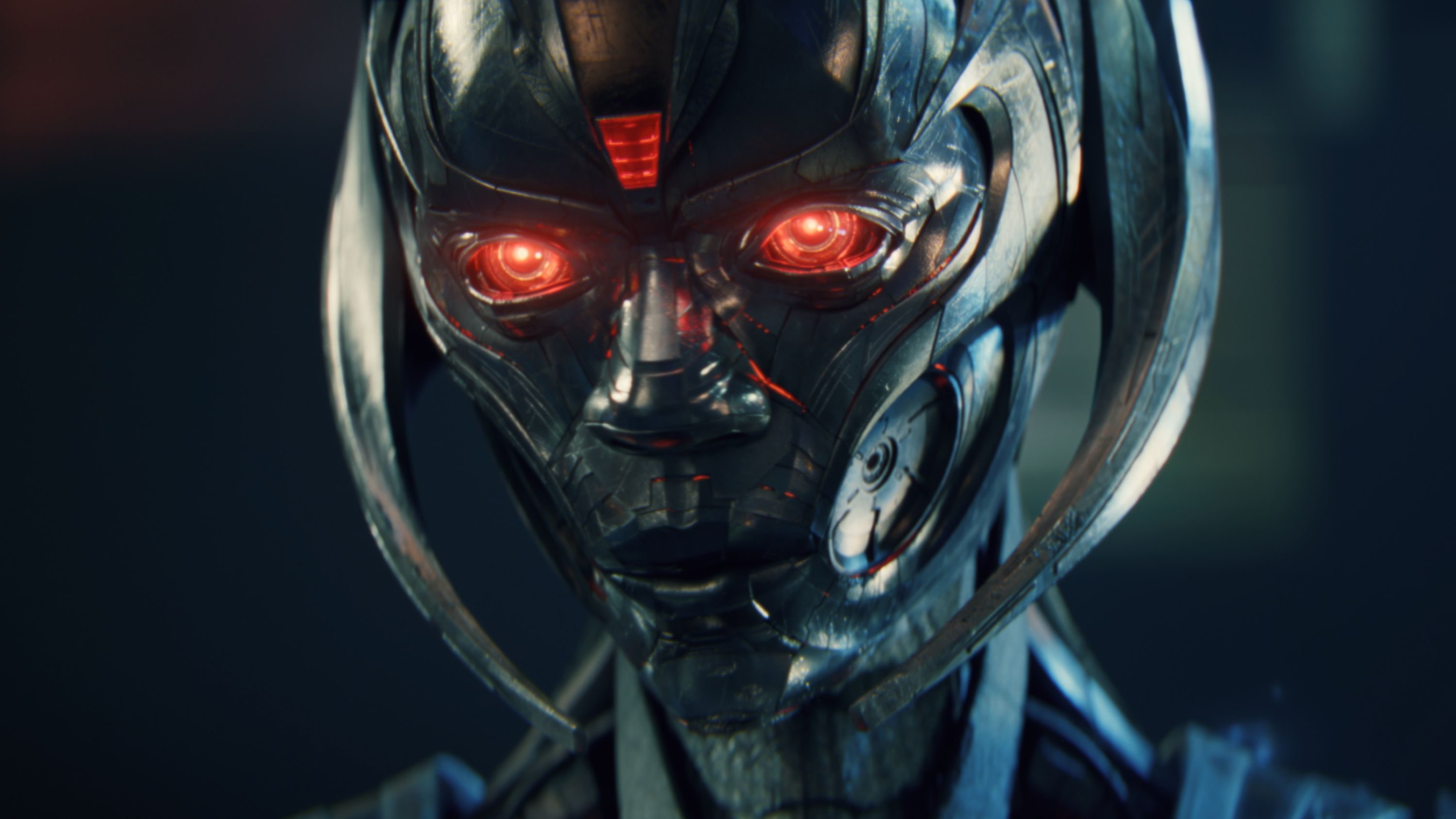
Upon the realization he is unable to defeat her, as it is not in his nature to let go entirely and kill, Vision allows Ultron to convince him to give control of his body over, allowing Ultron the power to defeat the other AI. Ultron takes over and, taking the last remaining member of the board as a human shield, tricks the synthezoid into burning her alive, effectively killing her. In response to the outrage, Ultron calmly
replies, “I removed our reason to fight.”
As Butcherbird flees in agitation, Ultron turns towards Thomas, who has stood watching the entire ordeal. Taking him around the shoulder, he leads him out of the gala, not relinquishing power back to Vision as promised.
Episode four features many of the fantastical elements that Marvel fans have grown to expect and adore, but it falls short on plot. Notably, a scene featuring an AI by the name of EDITH explores the avatars that they were based on and, more specifically, explores the reactions they have to discovering this. This scene (or at least, this discovery) is necessary for the introduction of Butcherbird, the synthezoid based on Dr. Josephine Carrington, but the way it was portrayed felt out of place. More specifically, EDITH herself feels out of place. Her character already felt a bit forced into the plot, but it was forgivable enough. This reconciliation with her identity, though, feels like a desperate attempt to get the viewer to connect with her on a deeper level. All the AIs existing within Vision’s head previously have been known much longer than EDITH, and it feels as if the relationship with the viewer is being forced.
Despite this, the main plot is still solid and consistent, featuring characters that are notably three-dimensional and antagonists that are more than just a looming threat.
Rating: 7.5/10
