
 Kwestin Fisher May 2nd, 2025 - 4:51 PM

Maya bursts into Matt’s driveway late at night, eager to share big news: their teaser poster for the upcoming Kool-Aid film has generated more positive online engagement than any studio poster in the last five years. While neither of them understands why, they’re thrilled—convinced they have a billion-dollar hit in the making.
The next morning at the Continental, the team gathers to strategize the cast announcement for their Kool-Aid movie, which stars Ice Cube as the iconic Kool-Aid Man. Excitement fills the room—until Maya voices a concern. Casting Ice Cube might draw criticism for reinforcing racial stereotypes, especially from Black audiences. Matt shares her anxiety and begins to panic about how the optics might play out.
To navigate the sensitivity, Maya, Matt, and Sal consult Quinn, hoping her perspective as a woman of color might clarify things. Quinn admits she associates Kool-Aid more with poverty than race, which only heightens the team’s confusion. They then turn to Tyler, the only Black man on the team, who supports Ice Cube’s casting. In fact, he suggests that not casting a Black actor would be the real issue—but he’s hesitant to speak for the entire Black community. Instead, he recommends getting input from comedian Lil Rel and cultural critic Ziwe.

Lil Rel and Ziwe co-sign the idea of Ice Cube voicing Kool-Aid Man—but take issue with casting a non-Black woman as his wife, arguing it perpetuates the stereotype that successful Black men don’t date Black women. Matt pushes back, claiming he never viewed the Kool-Aid Man as a human being. Lil Rel counters: if Ice Cube is voicing him, then the character carries the soul of a Black man—and should be treated as such.
This leads to Sandra Oh being replaced with Regina King as Mrs. Kool-Aid. Problem solved? Not quite. Maya points out that the animated characters are now Black, while all the live-action characters remain white—a problematic contrast. The team spirals again. Matt proposes a bold fix: make the entire cast Black, positioning Kool-Aid as the studio’s version of Black Panther.
At a meeting with director Nick Stoller and the writers, the team outlines their vision. Stoller is hesitant but optimistic. The writers, however, raise red flags. With a fully Black cast, they feel uncomfortable writing a story they’re not equipped to tell—and worry about taking space from Black writers. Ultimately, they walk away from the project. Stoller volunteers to rewrite the film solo and, pressed for time, turns to A.I. animation tools—something he asks Matt to keep under wraps.
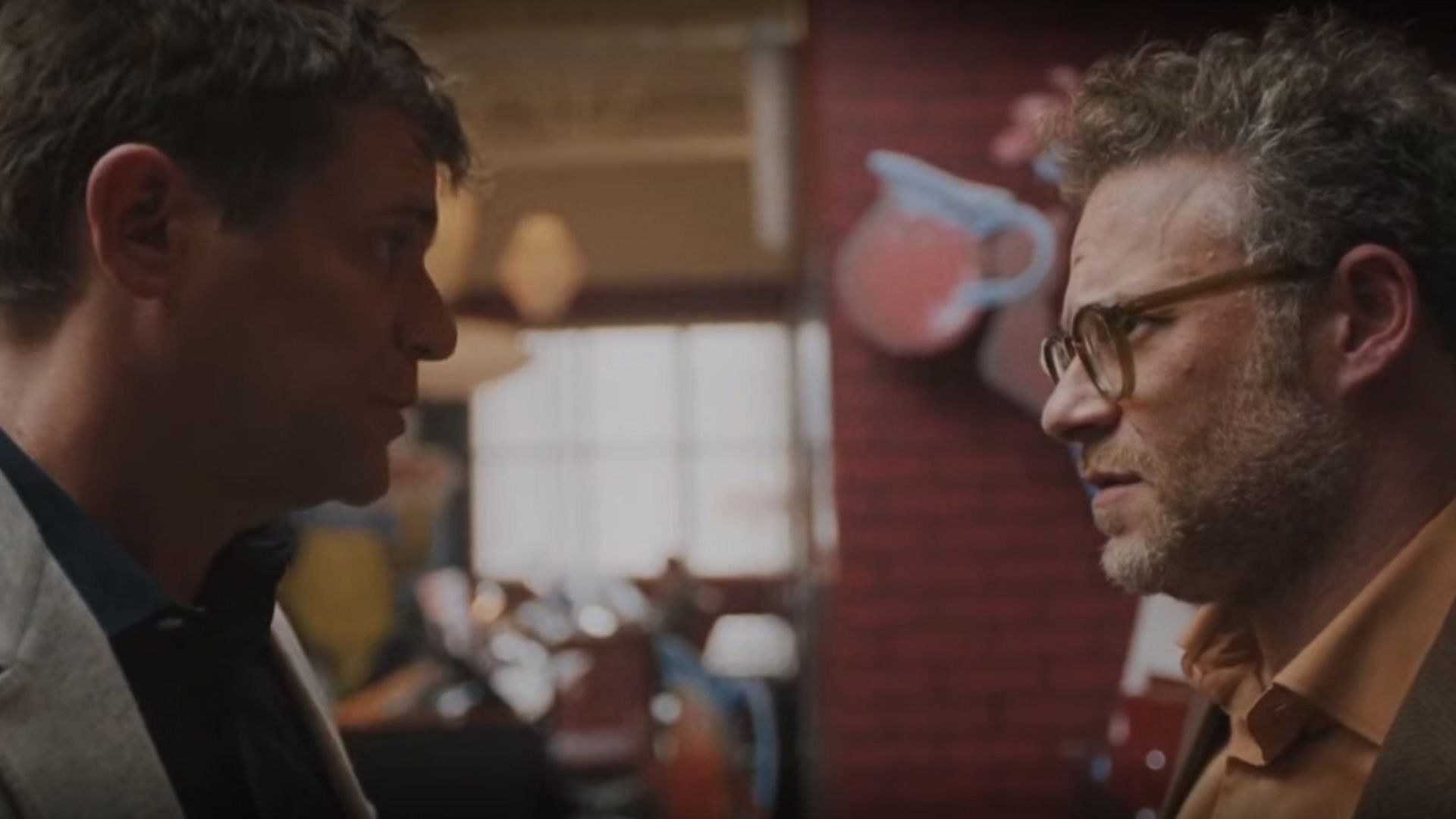
The studio feels good about their “progressive” approach—until Quinn points out that they’ve swung too far, reducing the film to a bundle of racial stereotypes. Panic returns. Matt pivots again, now pushing for perfectly calculated demographic representation across the cast. The resulting discussion becomes absurd, with debates over ethnic quotas devolving into chaos. Matt ultimately walks out—off to speak directly with Ice Cube.
In a scene dripping with irony and sincerity, Matt visits Cube in his studio to discuss the controversy. Cube is unfazed. He finds the idea of not voicing the Kool-Aid Man offensive and asserts that he brings the sophistication and edge needed for the role. He stands firm.
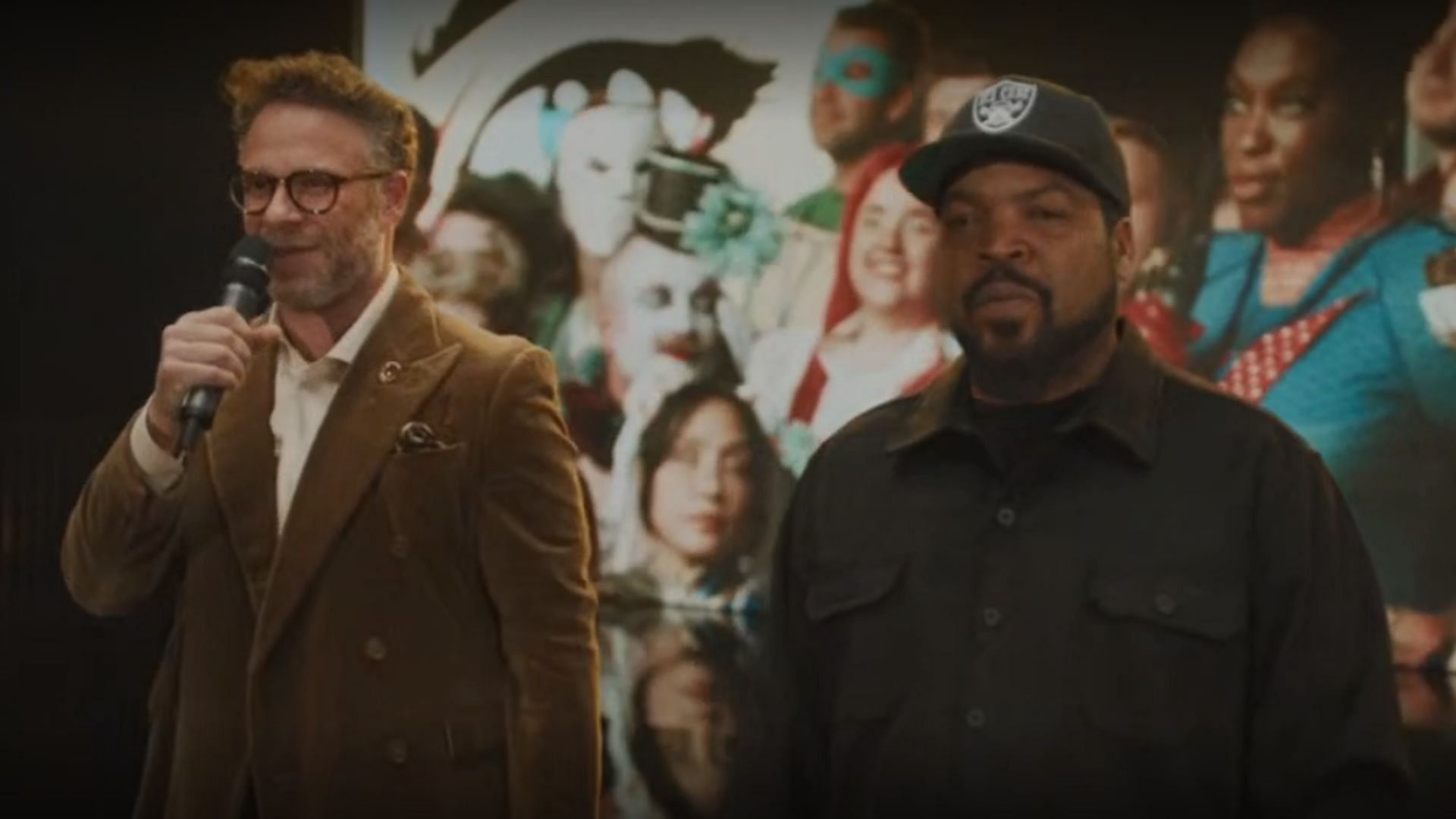
At Comic-Con, the studio officially announces the film, with Matt introducing Ice Cube as the Kool-Aid Man to thunderous applause. But the moment turns sour when an audience member asks about the use of A.I. in animation. The crowd turns on Matt, booing loudly. In response, Cube starts a chant of “F*** A.I.” before storming off stage, leaving Matt to deal with the fallout alone.
This episode is easily one of the funniest in the series to date. Evan Goldberg and Seth Rogen craft a sharp, hilarious satire that skewers the awkward dance of studio politics, race, and representation in modern Hollywood. The writing is razor-sharp, offering a biting but fair critique of how well-meaning efforts can spiral into chaos when handled without nuance.
The episode excels at using comedy to explore complex themes—never losing its punch while maintaining a clever self-awareness. Ice Cube is outstanding in a brief but memorable guest role, and the show continues to showcase its skill at attracting and utilizing top-tier talent.
With its bold humor, sharp commentary, and excellent performances, this episode ranks among the top two of the series. The Studio continues to prove it’s the smartest, funniest show on TV today.
Rating: 9.5/10
