
 Kayla Burrows July 5th, 2025 - 9:26 PM
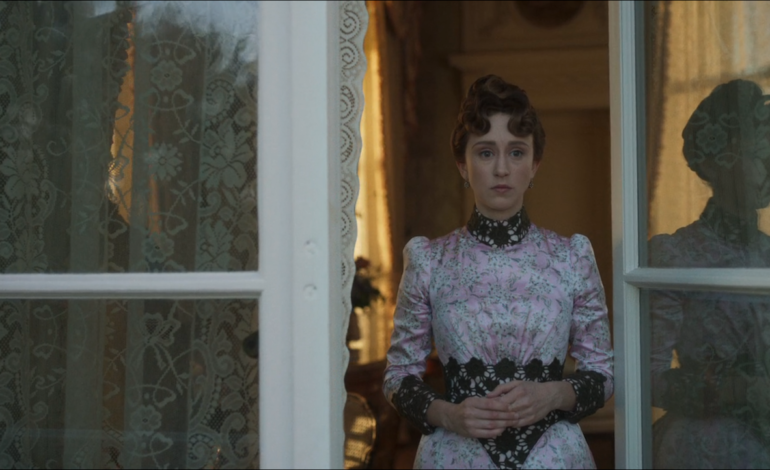
Season three, episode two of The Gilded Age begins with dramatic tension as Gladys has run away from home after a disagreement with her mother, Bertha Russell, over her choice in marital plans. When the Russells discover Gladys missing, panic spreads throughout their Fifth Avenue mansion. The runaway daughter had predictably fled to Billy Carlton’s home, a move that only intensified Bertha’s fury and determination to prevent this match.
Bertha doesn’t believe Billy is good enough for Gladys. She still wants her daughter to marry Hector, the Duke, who holds money and social power. Throughout the episode, Bertha engages in numerous confrontations with Billy’s mother, Mrs. Carlton, with neither woman willing to compromise on their positions on their children’s engagement. The class divide becomes apparent as the established, old-money Carltons clash with the ‘new-money’ Russells over their children’s future.
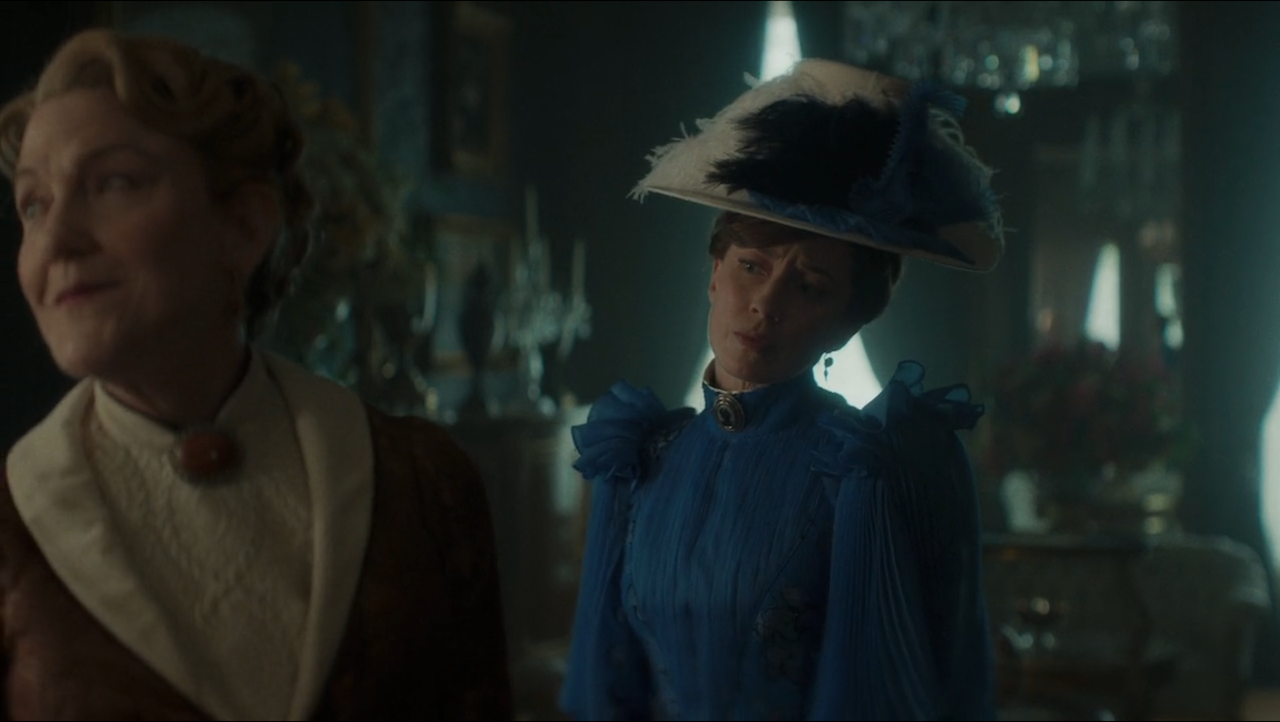
George Russell’s return from his ambitious railroad campaign to connect New York with Chicago and California briefly gives Gladys hope for an ally. She desperately wants her father to intervene and reason with Bertha, but George proves himself reluctant to get involved in the matter. This hesitation becomes costly when Billy attempts to ask for Gladys’ hand in marriage formally.
The pivotal moment comes when Billy approaches George to request permission to marry Gladys, but he completely loses his nerve. Intimidated by George’s presence, and the surrounding businessmen, Billy was not able to get a word out. This failure devastates Gladys, who had been depending on Billy to fight for their love. Billy’s decision to give up entirely and throw in the towel after just one failed attempt proves to be even more devastating.
Billy’s hesitation provides Bertha with the perfect opportunity to advance her preferred match. The episode’s end reveals the Duke’s return with a whole entourage in tow. The unexpected arrival of legal counsel in addition shocks the Russell family, except Bertha, who orchestrated this development. George attempts to assure Gladys he will handle the situation, but his ability to counter Bertha’s machinations remains questionable. In addition, Bertha has been manipulating public opinion by planting stories in newspapers. She showcases innocence and surprise when the papers run a story about Gladys and Hector’s imminent engagement. Still, her son, Larry, sees through her deception and is disgusted by his mother’s tactics.
Meanwhile, Peggy received the care she needed thanks to her parents and Dr. William Kirkland. Her recovery storyline takes a turn as a romance blossoms between her and the handsome doctor. After everything Peggy has gone through, she deserves this chance at happiness.
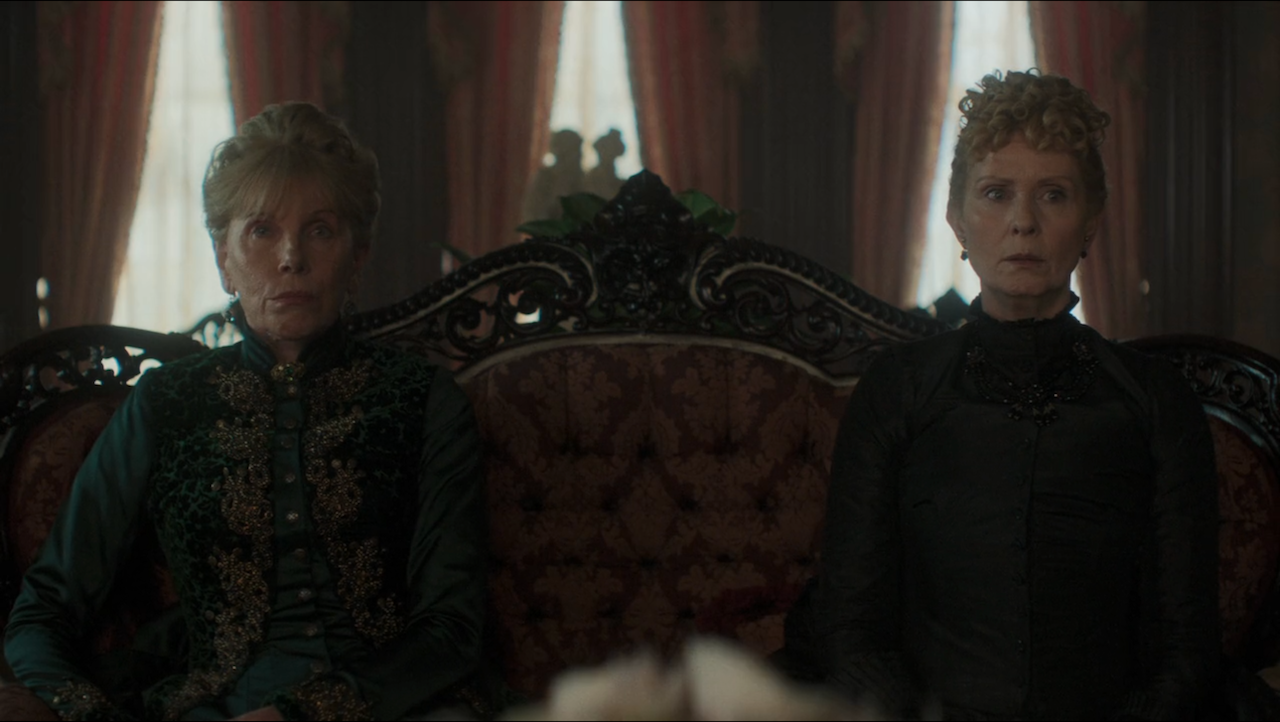
Agnes van Rhijn continues to prove her decency by defending Peggy against racist attacks. She stands up for Peggy and shares a very open conversation with her parents about racism. When Mrs. Anderson makes awful, racist comments, the rest of the staff calls her out in a particularly satisfying scene.
The romance between Marian and Larry continues in secret, despite their continued taking of dangerous risks. The couple nearly gets caught kissing in a carriage, and Larry has to pay off a witness to this romance. Their forbidden relationship is becoming difficult to maintain and it may be inevitable that their secret will be exposed.
Jack finally gets his opportunity to join Larry in business meetings about their invention. This requires Jack to upgrade his wardrobe, showing his rise in status.
Oscar van Rhijn receives much-needed emotional support from John Adams. Their reunion offers hope for both personal and professional redemption for Oscar, who has been struggling with insecurities and financial issues.
Then, in the servants’ quarters, Mr. Borden learns that his wife has passed away, which potentially opens the door for romance with Mrs. Bruce. Their attraction has been evident, but his marital status has prevented any development.
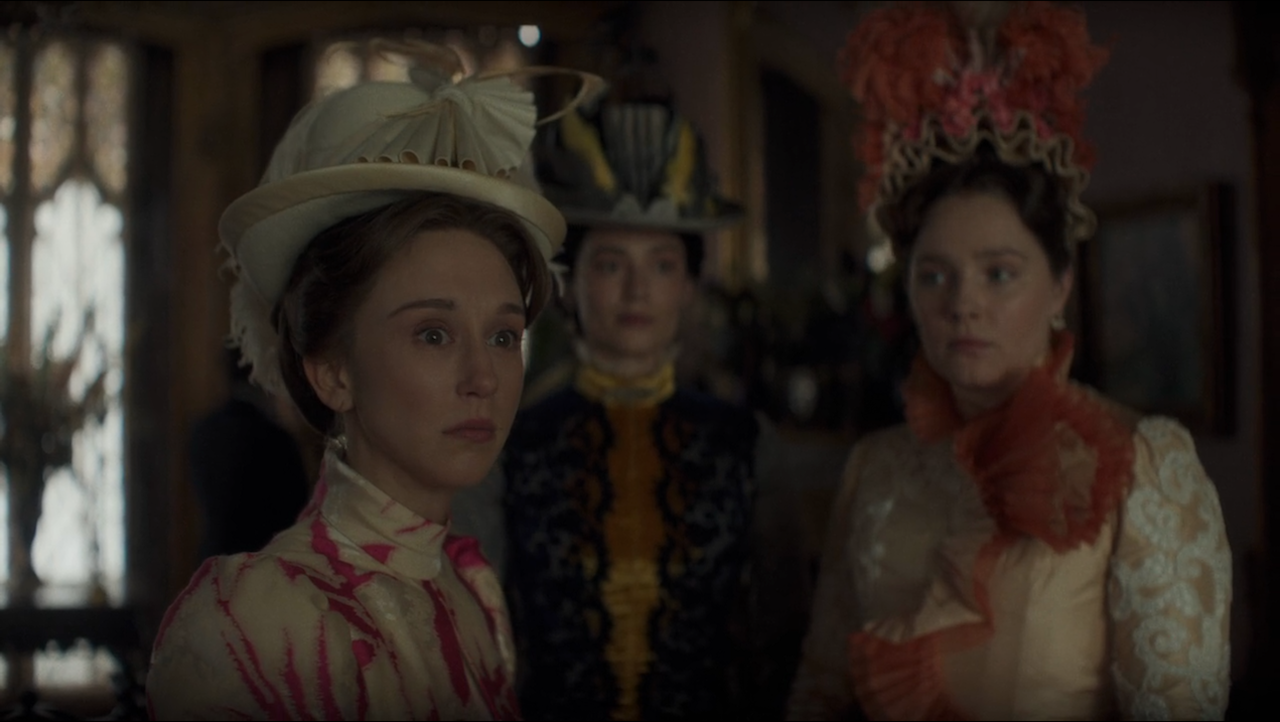
This episode explores the tension between love and social expectations that defined the Gilded Age. Bertha’s manipulation of her daughter’s future shows the limited agency women have in their own lives. This also reveals how wealth and social position could be weaponized in this age. The planted stories in the newspaper demonstrate how public opinion is controlled by those with power and influence. There are also highlights in this episode that address issues of race and class, such as through Agnes’s defense of Peggy and her confrontation with racism within her own household. These moments ground the historical drama in the real social struggles of the period. The various romantic storylines illustrate how desire often conflicted with family expectations during this transformative period in American history. Viewers can expect the rising tension to soon be resolved, as many romances may end, while others may begin.
Rating: 8.5/10
