 Kayla Burrows July 26th, 2025 - 7:35 PM

The installment “Golgotha” uses a refreshing, live-action format compared to previous episodes, utilizing famous actors such as Rhys Darby, Moe Daniels, Graham McTavish, and Phil Morris. Darby plays a conscientious vicar, a host to an emissary alien species, who thinks their messiah has been reborn on the planet Earth as a dolphin.
This episode begins with the acknowledgment of an alien race called the Lupo that have already made contact with the United Nations. Humanity is filled with fear over these creatures that want to talk to a religious leader about a “ resurrection”. Darby, who plays Father Donal Maguire, is the priest who is summoned because he was the one who witnessed the “Miracle of Blackfin”, the resurrection of a dolphin. These aquatic aliens do not wish harm or to be taken to our leaders, but rather want to talk about their messiah’s return.
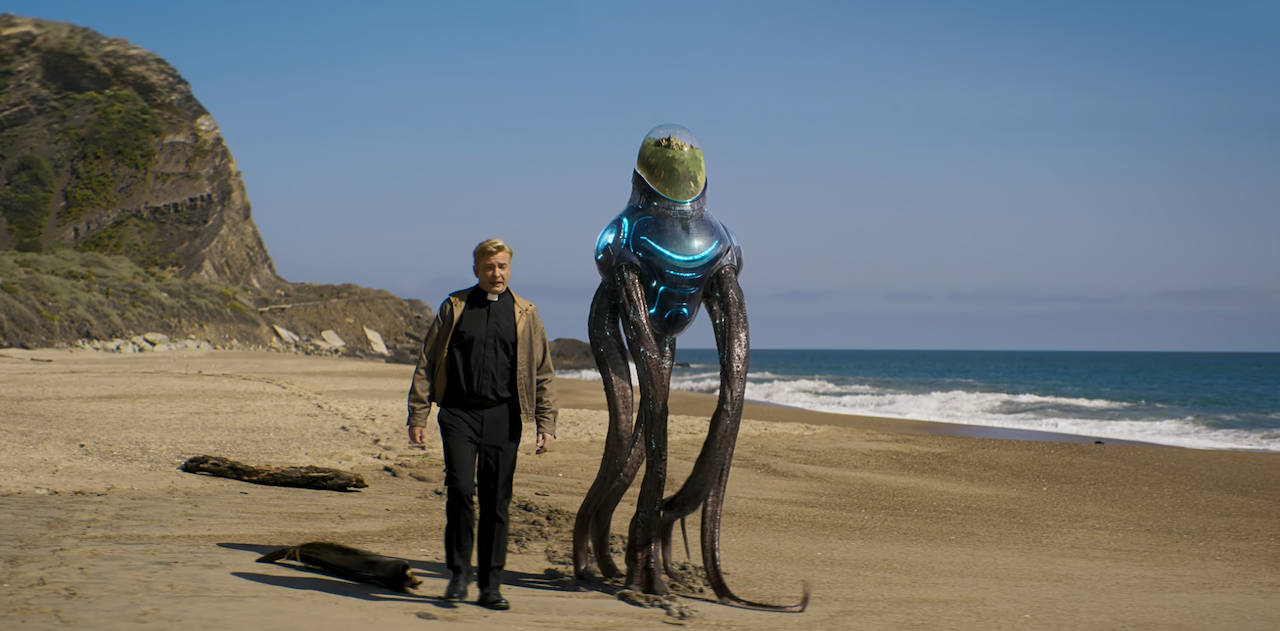
The resurrected dolphin is positioned as a Jesus-like figure to these aliens, and this episode poses the question of whether the Lupos are justified in starting a crusade against their messiah’s killers. It creates a parallel between the crucifixion and humanity’s treatment of aquatic life.
After the Lupo learn about humans’ abuse towards dolphins, this alien race starts an anti-human campaign, as their messiah is also a dolphin. The Lupo sees this horrible treatment as blasphemy that demands retribution.
The episode “Golgotha” concludes with Maguire explaining how humans have made a mistake by never caring about the animals and creatures with whom we share the planet. We are supposed to coexist with them, not rule over them. The key takeaway: “We f***ed up and the Lupo will seek revenge on humanity.
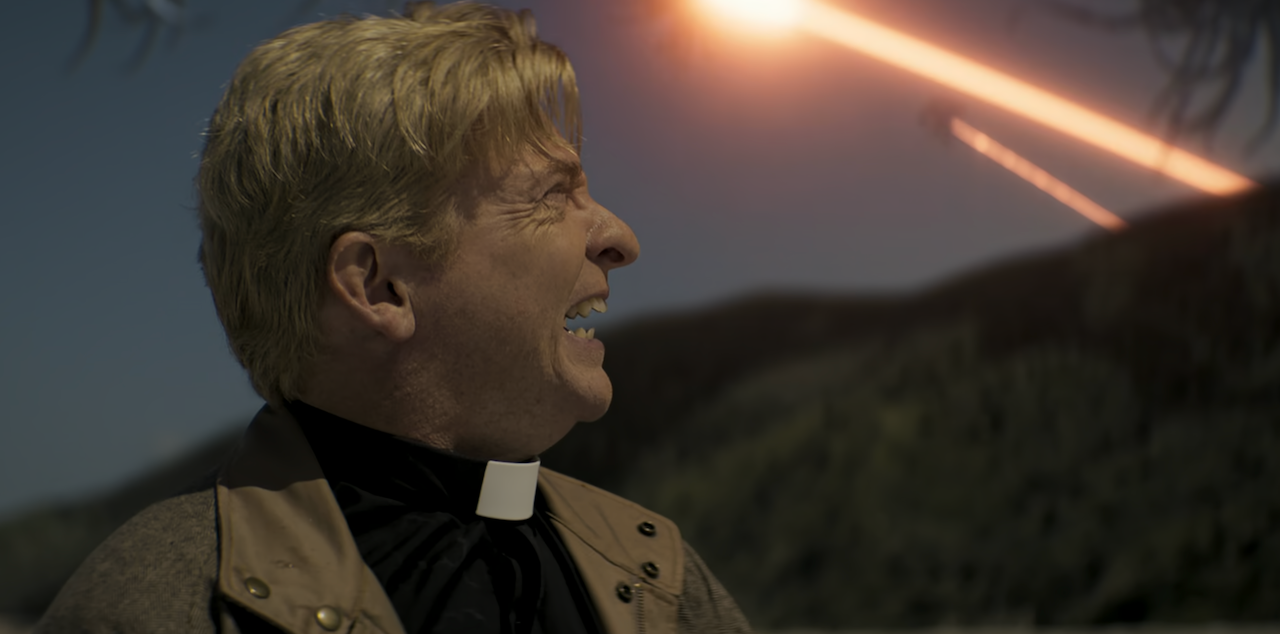
Like many of the episodes within Love, Death & Robots, this installment shows a piece of humanity, whether it be the better or worse half. It uses the unique perspective of an alien species to reflect humanity’s relationship with marine life. This story forces viewers to confront the moral implications of how we treat other species on Earth. The episode’s brief and direct manner makes this message even more impactful; it does not need to elaborate on the characters or setting. The name of this episode holds significant meaning in relation to its themes, as Golgotha is a biblical location associated with judgment, where humanity faces the consequences of its actions. The ambiguous ending leaves viewers focused on its environmental sermon, making this another thought-provoking installment in the series.
Rating: 9.5/10