
 Nicolas Gonzalez February 23rd, 2026 - 5:07 PM
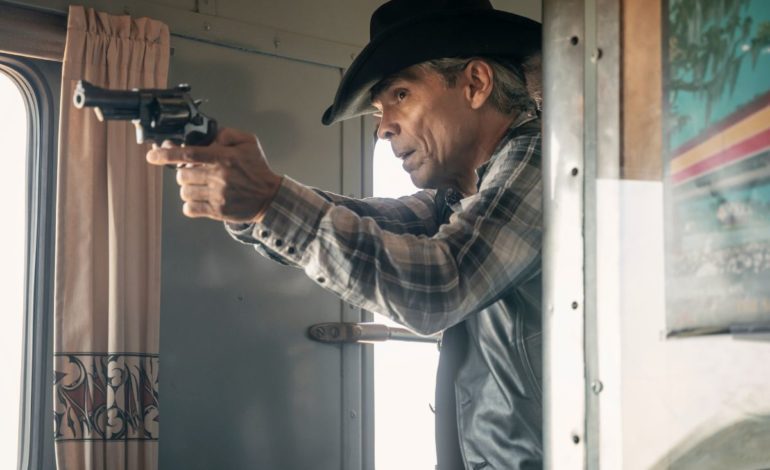
Zahn McClarnon (Reservation Dogs, Westworld) discussed Joe Leaphorn’s future in Dark Winds as AMC’s drama approaches its fourth season, reflecting on whether retirement may factor into the character’s trajectory, according to ScreenRant. McClarnon explained that Leaphorn’s arc continues to center on the emotional and psychological consequences of past decisions during an interview with ScreenRant.
Referencing the end of Season Two, when Leaphorn leaves BJ Vines, played by John Diehl (Stripes, Train Dreams), in the desert. McClarnon highlighted the lingering moral ambiguity that continues to shape the character. “Did Joe murder him?” McClarnon said. “He left him out in the desert to survive on his own wits. Does that mean he murdered BJ Vines? Joe struggles with that constantly, just like he’s struggling now.”
Rather than positioning retirement as an immediate outcome, McClarnon framed it as part of a broader internal reckoning. He noted that Leaphorn is seeking spiritual grounding as he navigates guilt, marriage strain, and cultural identity.
“I think as human beings, we’re constantly justifying things,” McClarnon explained. “Joe this season is definitely in search of some kind of spiritual connection… he’s looking for this concept that the Navajo people call Hózhó, which is a state of balance, beauty, and personal peace of mind.”
The actor added that Leaphorn leans into cultural ceremony and accountability as he stands “at those crossroads in his life,” describing the arc as “a journey of self-understanding.”
ScreenRant reports that Season Four will continue expanding Leaphorn’s interpersonal and ethical conflicts. Retirement, in this context, becomes less a procedural endpoint and more a thematic extension of the character’s long-term evolution.
mxdwn has previously covered the series’ continued expansion, including AMC’s early Season Five renewal ahead of Season Four’s debut and the Season Four trailer rollout, both of which underscored the network’s confidence in the show’s trajectory.
As Dark Winds moves forward, McClarnon’s comments frame Leaphorn’s future not as a departure, but as a continuation of an ongoing moral and spiritual journey.