
 Nicolas Gonzalez February 17th, 2026 - 2:01 PM
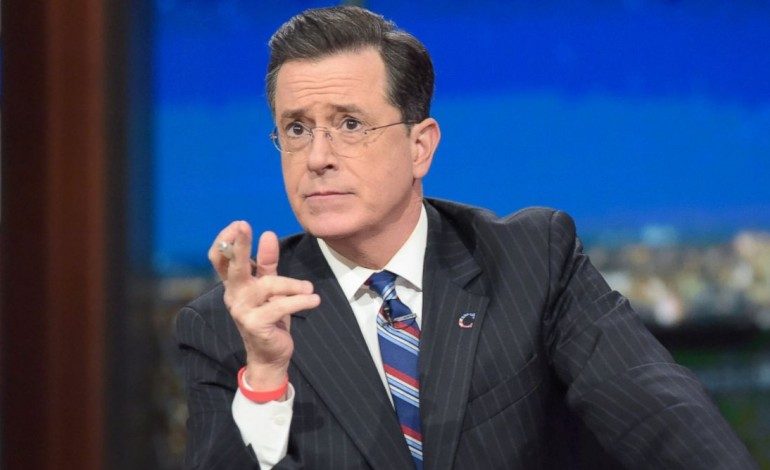
Stephen Colbert (The Late Show with Stephen Colbert, The Colbert Report) reflected on his recent televised interview with Texas State Representative James Talarico after the segment gained significant online traction. According to Deadline, the interview drew attention after CBS Network had previously demanded that it not be conducted. View the moment below.
View this post on Instagram
Colbert later addressed the interview, noting that Talarico’s perspective distinguished itself in current political discourse. “He was speaking about his faith in a way rare in politics,” Colbert said.
Colbert emphasized that the exchange resonated because it centered on values rather than legislative specifics. “It was less about policy and more about morality,” he explained, highlighting why audiences connected with the segment’s reflective tone.
Deadline also reports that the conversation referenced the former Fairness Doctrine, a Federal Communications Commission policy that required broadcasters to present contrasting viewpoints on controversial issues. The rule was eliminated during President Ronald Reagan’s administration, a shift frequently cited in discussions surrounding modern political media polarization.
Colbert framed the reference within a broader conversation about how televised political dialogue has evolved. “You can still have comedy,” he said, “but you can also have a real conversation,” underscoring his view that late-night programming can balance satire with substantive civic discourse.
mxdwn has previously tracked Colbert’s intersections with political media dialogue. Prior reporting examined his response to current President Donald Trump following social media remarks tied to The Late Show’s cancellation controversy, highlighting how Colbert publicly navigated political criticism while maintaining the program’s satirical voice.
Additional mxdwn coverage examined Trump’s comments on television regulation, including his suggestion that the FCC consider revoking broadcast licenses for negative media coverage. That reporting contextualized tensions between political figures and television platforms, framing regulatory rhetoric within broader debates over media accountability.
Together, these earlier developments echo themes raised in the Talarico interview, particularly the evolving relationship between politics, media, and public messaging. As Deadline notes, the segment’s viral reach reinforces late-night television’s dual function as an entertainment platform and a civic forum.
Colbert’s reflections highlight how discussions rooted in belief, morality, and governance continue to resonate with viewers. As The Late Show blends humor with political insight, interviews like Talarico’s illustrate the format’s capacity to foster dialogue beyond conventional partisan boundaries.
