

Before Damson Idris was rumored to lead a Black Panther sequel and traded scenes with Brad Pitt, he was Franklin Saint in the underappreciated John Singleton drama, Snowfall. For five seasons, he led an ensemble cast through a retelling of the crack epidemic and the U.S. government’s hand in debilitating Black life in south Los Angeles.
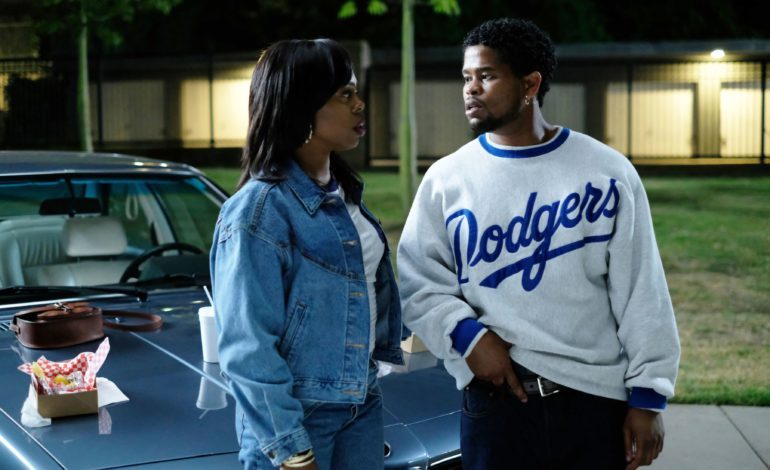
Tomorrow, FX returns to that universe with its long-awaited spinoff, The Drop: A Snowfall Saga, trading the drug game for the rise of gangsta rap. Following the two titular characters — Gail Bean’s Wanda and Isaiah John’s Leon — who managed to escape its predecessor unscathed, we enter the next era of commerce that Black people’s joy and pain crafted from the ground up.
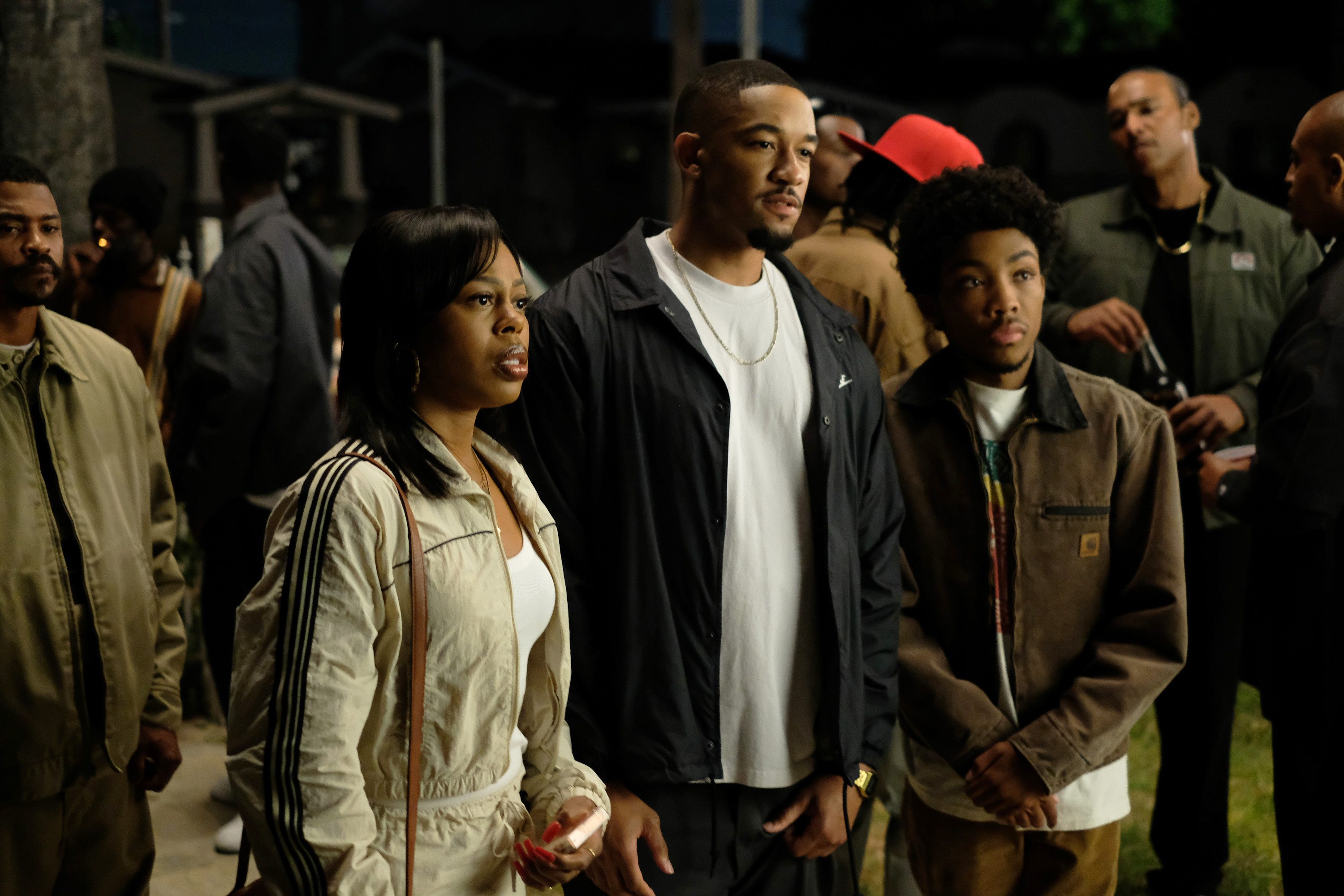
Certain elements of the show seem familiar in the lexicon of Black music narrative traditions: a youth with incredible talent (Asante Blackk) wants to pursue his dreams and make it in the music industry. But past trauma and present dangers keep him on his family’s tight leash, inevitably leading him to rebel. Bean’s Wanda, feeling the itch of opportunity in the new art from echoing from hood to hood, seeks to facilitate the youth’s dreams against all odds. While external forces pushed Franklin down a perilous path, The Drop’s antagonists seem to be closer to home.
Snowfall was a critique on the nation’s insidious handling of Black progress and foreign affairs. The Drop is a family drama placed in the ascent of hip-hop challenging the mainstream. Yes, the LAPD remains a threat, and most label managers are white; but, they are background to the generational trauma that’s a driving force for our colorful cast. This makes for a very different experience, which one should expect from a new show. We shouldn’t just want “Snowfall the 90s.” Instead, creator and executive producer, Malcolm Spellman, gives us something more akin to fictionalized Unsung and BET’s short-lived American Soul, in the best way possible.
Bean and John remain electric onscreen, transferring their powerful chemistry as our main leads. Whereas John flexed more as a co-lead in the original series, Bean takes center stage, evoking more nuance and charm than previously allowed as a supporting character. Wanda is determined, yet harbors her silent fears behind her mega-watt smile. As if she knows if she were to stop moving, she’d explode.
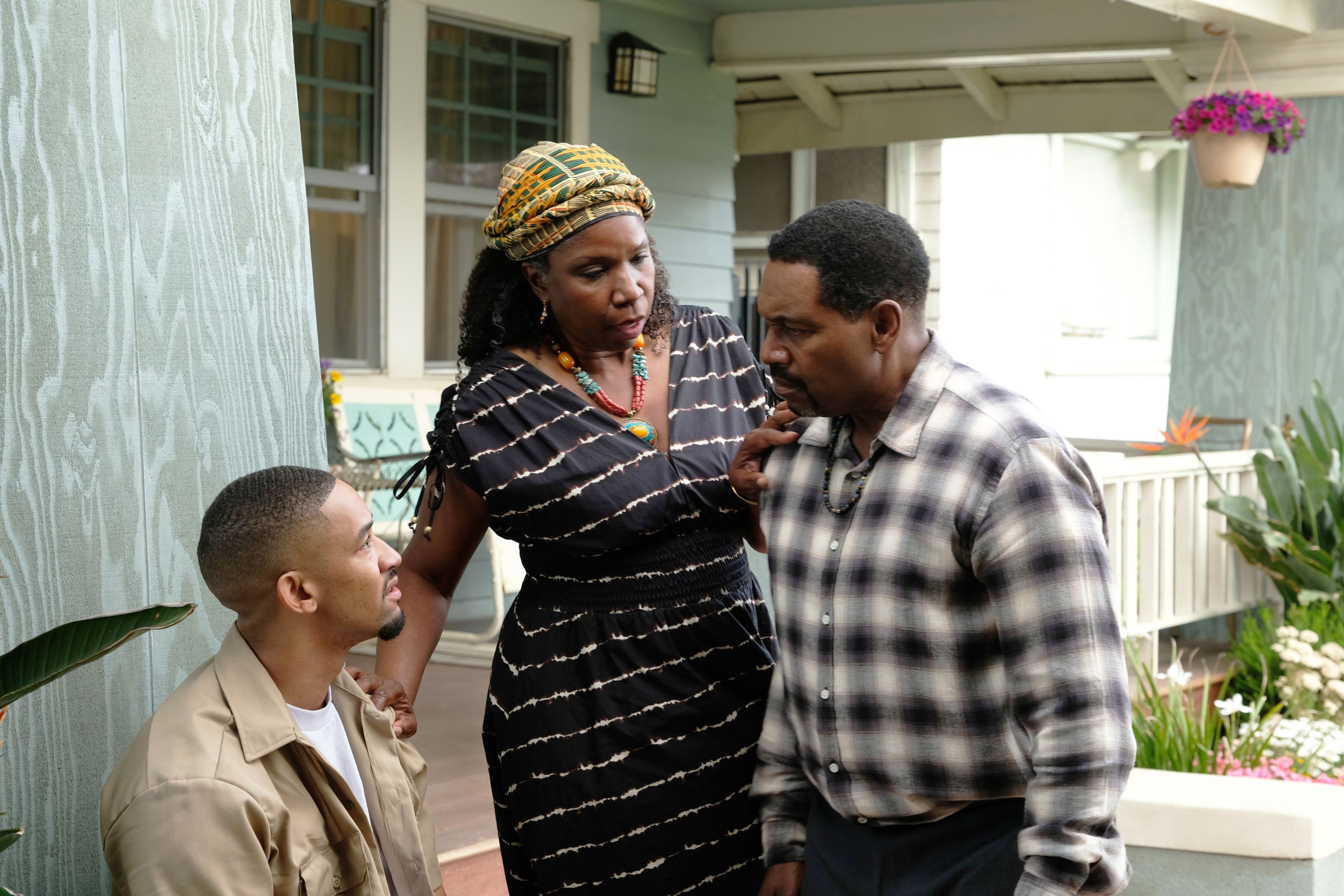
The two are joined by a stellar cast that rise to the occasion. Black is Wanda’s younger cousin, Lamar Kinsey, touched with a gift his grandparents — Mykelti Williamson’s “Big Daddy” Casey and Nicki Micheaux’s “Momma G” — wish he’d use for the Lord’s house. Rather than totally fence him in, they appoint his older brother, Peyton Alex Smith’s reformed Crip, James, as his overseer to maneuver the blood-drawn gang territories. Another standout is Simmie Sims III aka West Coast rapper, Buddy, who plays Artillery, the artist Wanda hopes changes the streets and their lives forever.
The series would not be complete without its masterfully curated soundtrack. From revival-tent baked gospel to 80s R&B-sampled hip-hop, the sounds and songs of that era are as much a character as the actors on the screen. There’s careful intention to make sure the region’s sounds are central to the storytelling, even offering cameos highlighting West Coast legends, both past and present.
At eight episodes (five screened in advance), the pacing feels expedient. But it pivots to uncover a greater story than just the music on the page. Overall, The Drop is worth playing on Tuesday, Sept. 8 at 9 p.m. on FX and Hulu.
Rating: 8/10
